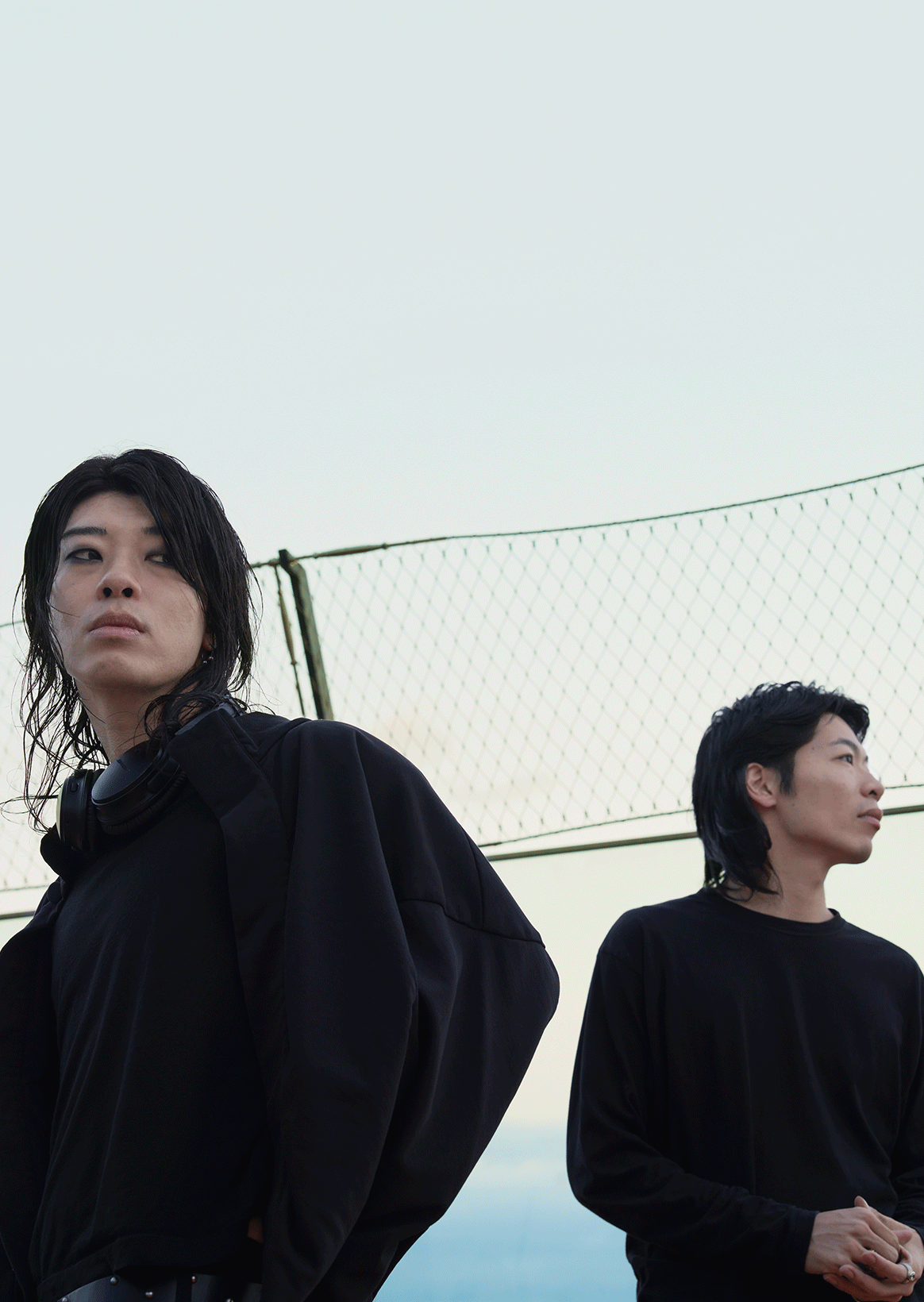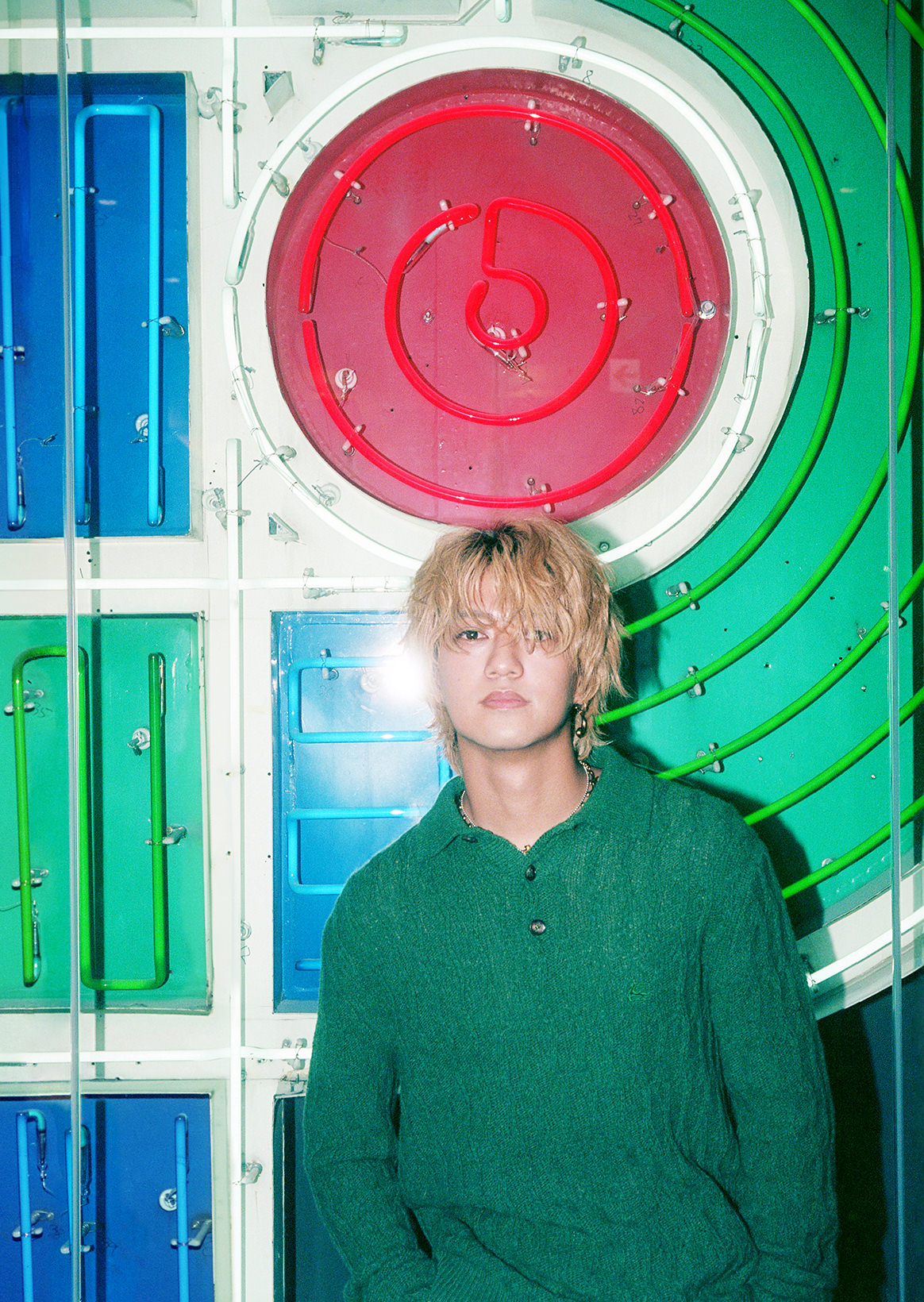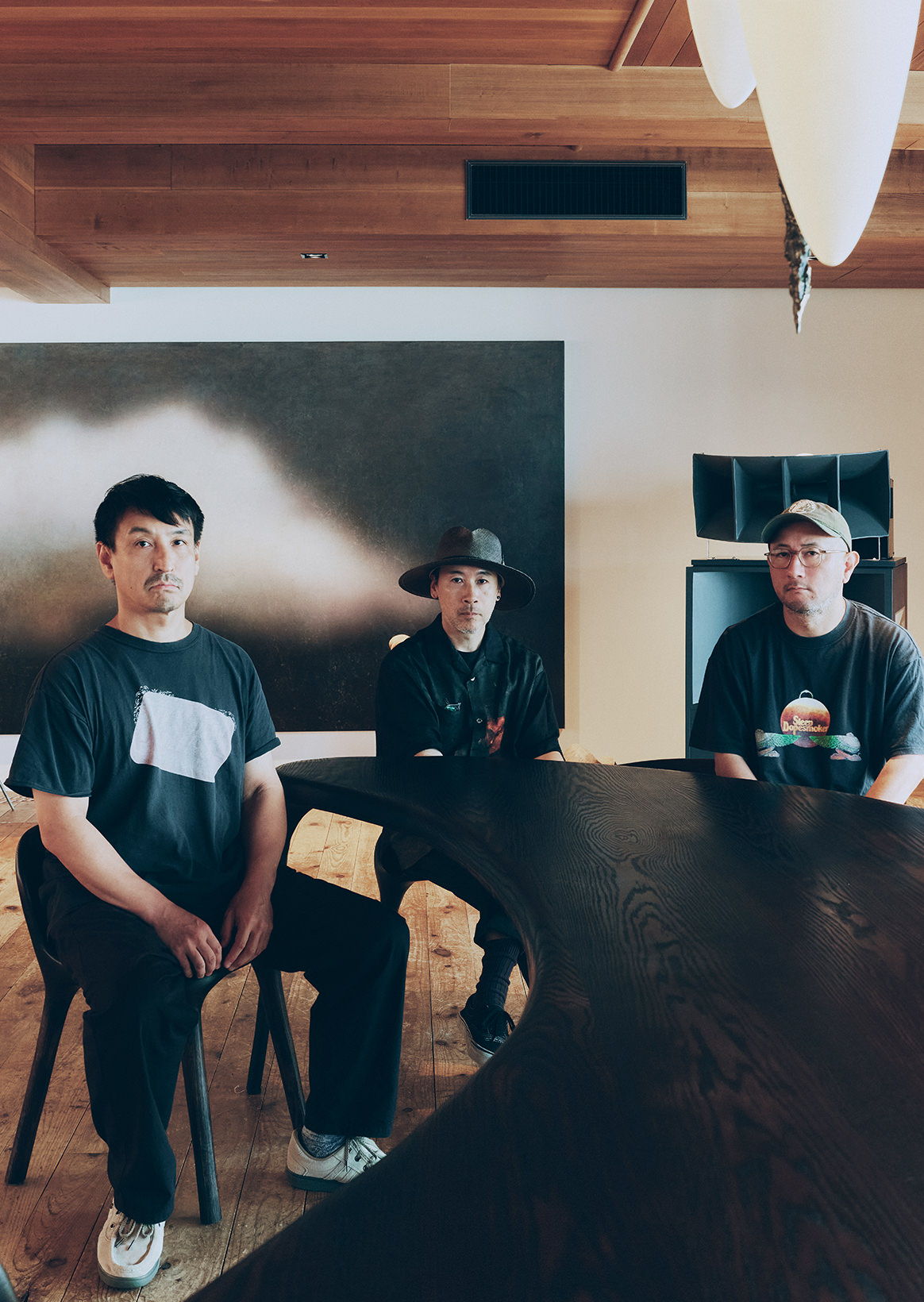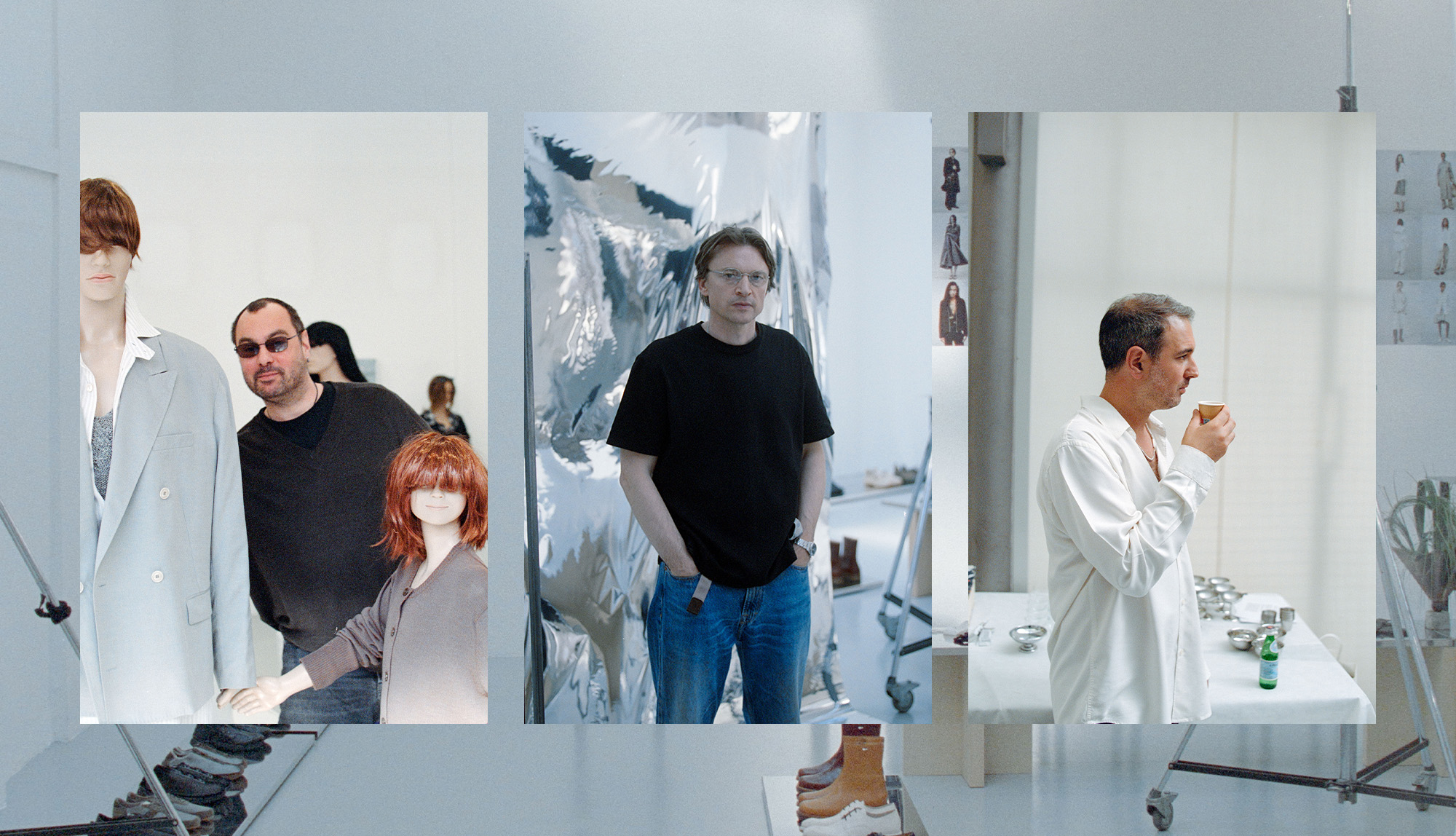
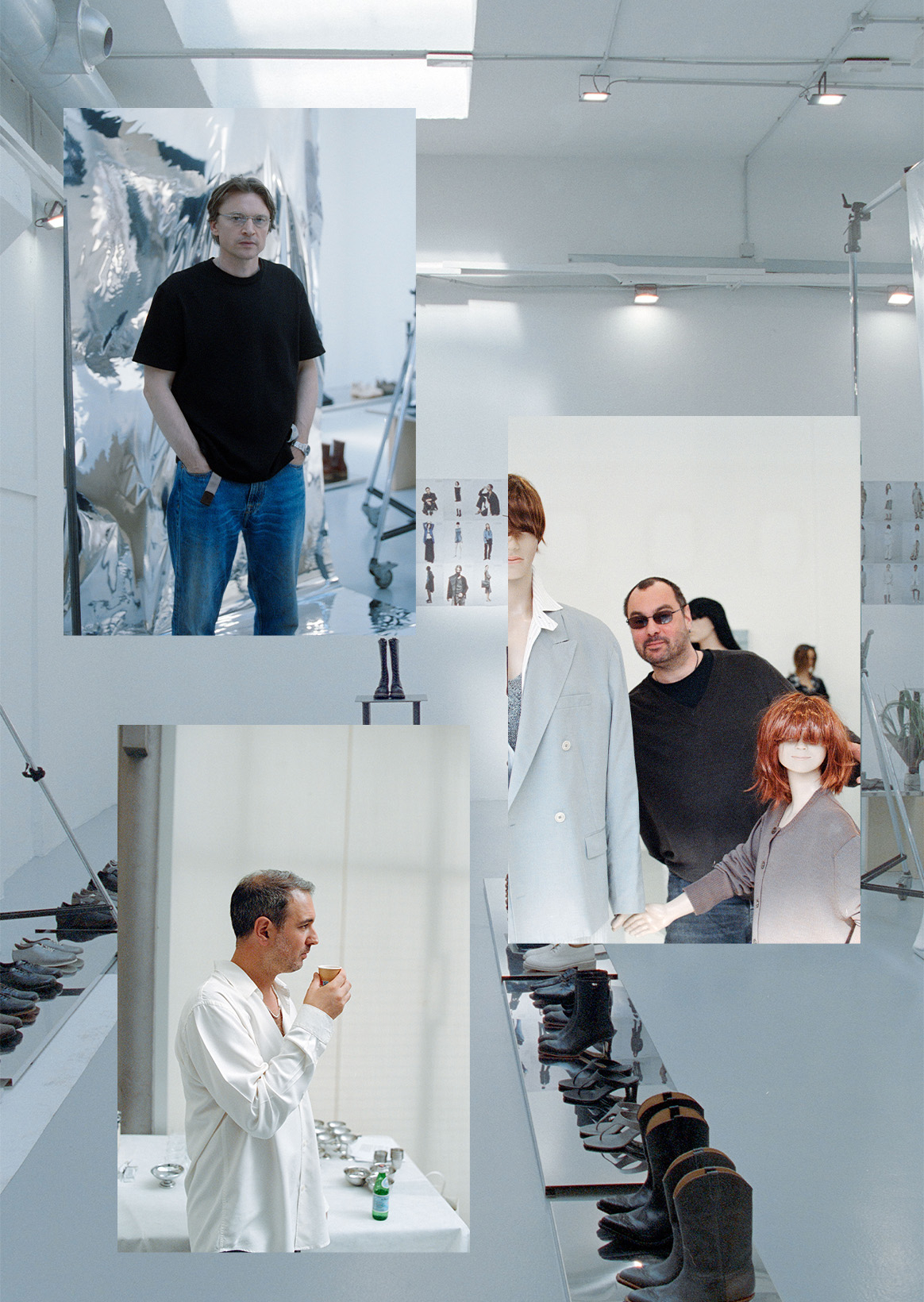
Jockum Halin ซึ่งได้พบและกลายเป็นเพื่อนกันผ่านฮอกกี้น้ําแข็งในวัยรุ่น และ Christopher Neing ก่อตั้ง "OUR LEGACY" ในสตอกโฮล์มในปี 2005 โดยมี Ricardos Claren เข้าร่วมเป็นเจ้าของร่วมตลอดเกือบ 20 ปี ความรู้สึกของพวกเขาซึ่งได้รับการหล่อหลอมจากวัฒนธรรมข้างถนน เช่น ดนตรี สเก็ตบอร์ด และหนังสือศิลปะ ยังคงก้าวข้ามขอบเขตของแฟชั่นดั้งเดิมและสร้างการแสดงออกที่สํารวจความยั่งยืนในวันที่ 13 มิถุนายน 2025 ร้านในร้าน shop-in-shop ซึ่งเป็นร้านแรกของญี่ปุ่น จะเปิดอย่างยิ่งใหญ่บนชั้น 2 ของ Shibuya PARCO ตั้งแต่ปี 2016 พวกเขาได้พัฒนาสินค้าจากโครงการ WORK SHOP ซึ่งนําของเก่า ตัวอย่าง และวัสดุรีไซเคิลกลับมาใช้ใหม่ โดยเน้นความยั่งยืนการแสดงออกผ่านเสื้อผ้า จุดกําเนิดของความคิดสร้างสรรค์ และแรงบันดาลใจจากโตเกียว— ในการสัมภาษณ์ทางอีเมลนี้ เราจะเปิดเผยการเดินทางและปรัชญาแห่งการสร้างสรรค์ของพวกเขา
※ เวอร์ชันภาษาอังกฤษมีให้ด้านล่าง
- Photo
- Nils Junji Edström
- Text
- Tomoko Ogawa
- Edit
- RIDE Inc.
 Jockum Hallin
 Christopher Nying
 Richardos Klarén
--เมื่อจอคคัม ฮารินและคริสโตเฟอร์ นียิงได้พบกันผ่านกีฬาฮอกกี้น้ำแข็งในช่วงวัยรุ่น พวกเขามีความประทับใจต่อกันอย่างไรเป็นครั้งแรก? ชีวิตวัยรุ่นของคุณในตอนนั้นเป็นอย่างไร และมีแง่มุมใดบ้างจากประสบการณ์นั้นที่คุณรู้สึกว่ายังคงอยู่ในตัวคุณจนถึงทุกวันนี้?
ผมได้พบกับ จ็อกคัม ฮาริน (ต่อไปนี้จะเรียกว่า จ็อกคัม) คริสโตเฟอร์ เมื่อตอนอายุ 13 ปี เขาเก่งมากในการฝึกซ้อมฮอกกี้น้ำแข็งระดับเยาวชน จนได้รับการเลื่อนชั้นขึ้นมาเล่นในทีมเดียวกับผม แม้ว่าผมจะอายุมากกว่าก็ตาม ผมเกิดปี 1980 และเขาเกิดปี 1981 ดังนั้นเราจึงอายุใกล้เคียงกัน แต่ในเวลานั้นผมกำลังหมกมุ่นอยู่กับสิ่งต่างๆ ที่หล่อหลอมตัวผม เช่น ดนตรี สโนว์บอร์ด และสเก็ตบอร์ด และผมก็เริ่มห่างเหินจากฮอกกี้น้ำแข็ง ผมเองเริ่มเล่นฮอกกี้น้ำแข็งช้า ดังนั้นผมจึงพยายามอย่างหนักเพื่อหาที่ยืนของตัวเอง ในทางกลับกัน คริสโตเฟอร์เข้ามาในทีมด้วยพลังและความกระตือรือร้นราวกับดาวรุ่งพุ่งแรง ทัศนคตินั้นยังคงไม่เปลี่ยนแปลงจนถึงทุกวันนี้ ใครก็ตามที่ได้พบกับเขาจะต้องประหลาดใจกับความมุ่งมั่น พลังงาน และความอยากรู้อยากเห็นของเขา เขามักจะเป็นแรงผลักดันไปข้างหน้าเสมอ และสิ่งนั้นก็ยังคงไม่เปลี่ยนแปลงนับตั้งแต่นั้นมา
คริสโตเฟอร์ นินน์ (ต่อไปนี้จะเรียกว่า คริสโตเฟอร์): เราเคยเล่นฮอกกี้ด้วยกัน แต่ครั้งแรกที่เราเจอกันคือบนรถบัส ความประทับใจแรกที่ผมมีต่อจ็อกคัมคือ เขาเป็นคนใจเย็น สุขุม และมีสไตล์ แถมยังหลงใหลในดนตรี ความประทับใจนั้นไม่เคยเปลี่ยนเลย
--ช่วงเวลาแรกที่คุณรู้สึกถึงความสุขอย่างแท้จริงจากการสร้างสรรค์สิ่งใดสิ่งหนึ่งคือเมื่อไหร่?
เดิมที คริสโตเฟอร์ วาดภาพสีน้ำมันและปั้นประติมากรรม ส่วนเรื่องเสื้อผ้า เริ่มต้นเมื่อตอนอายุ 16 ปี เขาได้ทดลองกับกางเกงยีนส์กับเพื่อนๆ ในเมืองฮุสควานา บ้านเกิดของเขา โดยเขาใช้เชือกผูกกางเกงยีนส์ไว้ที่ท้ายรถแล้วลากไปบนโคลนเพื่อสร้างความเสียหาย จากนั้นก็อาบน้ำทั้งๆ ที่ยังใส่กางเกงยีนส์อยู่ แล้วนำไปตากให้แห้งในห้องซาวน่า เขายังจำความตื่นเต้นในตอนนั้นได้อย่างชัดเจน
--คุณคิดอย่างไรเกี่ยวกับความสำคัญของการอธิบายและแสดงออกถึงตัวตนให้ผู้อื่นเข้าใจผ่านทางเสื้อผ้า?
ย็อคคัม: เมื่อเรายังเด็ก เสื้อผ้ามีบทบาทสำคัญในการค้นหาตัวตนและที่ยืนของเราในโลก เสื้อผ้าสามารถแสดงออกถึงตัวตนของเราได้โดยไม่ต้องอธิบายใดๆ มันสามารถดึงดูดผู้คนเข้ามาหรือทำให้เราห่างเหินออกไป และมันยังเป็นตัวกระตุ้นให้เราได้พบเพื่อนฝูง แม้แต่ในวัยผู้ใหญ่ เสื้อผ้าก็ยังคงเป็นวิธีการแสดงออกถึงตัวตน เราต้องการที่จะดูเรียบร้อย หรือดูอิสระและสร้างสรรค์? เสื้อผ้ายังคงเป็นเครื่องมือที่มีพลัง แต่เมื่อเราอายุมากขึ้น ความสัมพันธ์ของเรากับเสื้อผ้าก็เปลี่ยนแปลงไปทีละน้อย
--คุณคิดว่าอะไรคือสิ่งจำเป็นที่จะช่วยให้คุณบรรลุเป้าหมายที่แท้จริงของคุณต่อไป? และประสบการณ์ใดบ้างที่ช่วยพัฒนาคุณให้เป็นคนอย่างที่คุณเป็นอยู่ในปัจจุบัน?
สำหรับผม คริสโตเฟอร์ การออกแบบกราฟิกเป็นจุดเริ่มต้นที่สำคัญ ผมเรียนรู้ที่จะสลับไปมาระหว่างการผลิตแบบกายภาพและดิจิทัล และความสมดุลนั้นกลายเป็นเครื่องมือในการถ่ายทอดความคิดของผมออกมา สิ่งนี้ยังคงมีประโยชน์ในปัจจุบันเมื่อผมออกแบบเสื้อผ้าหรือแสดงอารมณ์ของผมออกมาเป็นภาพ และหนังสือก็เป็นแหล่งแรงบันดาลใจอย่างต่อเนื่องสำหรับผม โดยเฉพาะหนังสือศิลปะและหนังสือภาพถ่าย ซึ่งเป็นสิ่งที่ทำให้ผมตื่นเต้นเสมอมา
--ว่าแต่ ผลงานศิลปะชิ้นไหนบ้างที่หล่อหลอมและช่วยให้คุณเติบโต? ผลงานเหล่านั้นปลุกเร้าความรู้สึกอะไรในตัวคุณในเวลานั้นบ้าง?
ผมได้รับอิทธิพลอย่างมากจากแนวทางการทำงานของ คริสโตเฟอร์ มาร์เซล ดูชองป์ เขาทำงานของเขาในเชิงแนวคิด และอิสรภาพของเขาน่าประทับใจมาก เมื่อภัณฑารักษ์ในสตอกโฮล์มคัดลอกผลงานที่เขาเคยจัดแสดงในนิวยอร์ก เขาไม่ได้โกรธ แต่กลับยืนยันว่า "ไม่เป็นไร" แนวคิดที่ว่าใครๆ ก็สามารถทำสำเนาผลงานของผู้อื่นได้นั้นเป็นเรื่องที่ถกเถียงกัน แต่ก็เป็นความคิดที่เปิดกว้างมากเช่นกัน โถปัสสาวะอันโด่งดังและตลกขบขันของเขาที่ลงชื่อว่า "R. Mutt" เป็นที่รู้จักกันดี แต่ผมก็ชอบเรื่องราวที่ว่าของโปรดของเขาคือหวีที่ไม่มีใครสังเกตเห็นในนิทรรศการ ผมได้รับอิทธิพลอย่างมากจากความไร้ขอบเขตนั้น แม้กระทั่งตอนนี้ มันก็ยังเตือนใจผมถึงทัศนคติที่อิสระต่อการสร้างสรรค์


—OUR LEGACY มีจุดแข็งในการเริ่มต้นจากสมาชิกจากหลากหลายพื้นหลังนอกวงการแฟชั่น ซึ่งเป็นเหตุผลที่เราสามารถสร้างพื้นที่ในอุตสาหกรรมแฟชั่นที่มีความเป็นจริงแต่มีเอกลักษณ์ ก้าวหน้า และยั่งยืนอะไรคือเคล็ดลับในการรักษาสถานที่เช่นนี้?
ฉันคิดว่า Yokkum พูดถูกต้องเมื่อบริษัทเติบโตขึ้น ลําดับชั้นและระบบการตัดสินใจเป็นสิ่งจําเป็น แต่ในขณะเดียวกัน เราก็ให้คุณค่ากับวิธีการทํางานที่เปิดกว้างและเป็นประชาธิปไตยไม่ใช่เรื่องว่าใครเป็นคนคิด แต่เป็นการรักษาทัศนคติที่ว่า 'ไอเดียที่ดีที่สุดคือผู้ชนะ'บรรยากาศผ่อนคลายมาก และเป็นที่ทํางานเหมือนครอบครัวเราทํางานอย่างมีความสุขในขณะที่ช่วยเหลือกันแฟชั่นคือสิ่งที่สนุกเสื้อผ้า อาหาร ไวน์ กีฬา ศิลปะ การถ่ายภาพ ดนตรี......การได้อยู่ท่ามกลางสิ่งเหล่านี้เป็นพรอย่างแท้จริง และความสุขนั้นสะท้อนอยู่ในบรรยากาศและความรู้สึกของมิตรภาพในบริษัท
--อะไรคือแหล่งที่มาของแรงบันดาลใจในกระบวนการสร้างสรรค์ของคุณ?
คริสโตเฟอร์: ไอเดียส่วนใหญ่ของผมมาจากความขัดแย้งภายใน ผมติดอยู่กับบางสิ่งบางอย่าง แต่แล้วไอเดียก็ผุดขึ้นมาในหัวอย่างไม่คาดคิด เหมือนกับว่ามันลงตัวอย่างกะทันหันขณะที่ผมกำลังอาบน้ำหรือทำอาหาร ผมต้องแน่ใจว่าผมจะไม่พลาดช่วงเวลานั้น และก็มีหนังสือศิลปะและหนังสือภาพถ่ายด้วย ผมอ่านหนังสือเล่มเดิมซ้ำแล้วซ้ำเล่ามานานแล้ว แต่ผมก็ค้นพบสิ่งใหม่ ๆ ทุกครั้ง ผมไม่ได้ค้นหามัน แต่มันเกิดขึ้นเองตามธรรมชาติ สำหรับผม ความคิดสร้างสรรค์ไม่ใช่สิ่งที่คุณจะบังคับได้
— ตั้งแต่เริ่มต้น WORK SHOP ซึ่งเป็นหนึ่งในโครงการสําคัญของ OUR LEGACY คุณได้เรียนรู้อะไรจากมันบ้าง?กรุณาเล่าให้เราฟังเกี่ยวกับความท้าทายที่คุณเผชิญและการค้นพบใหม่ ๆ ตลอดปรัชญาประมาณ 10 ปีที่ว่า "ผลิตเสื้อผ้าโดยลดขยะให้น้อยที่สุด"
YokkumWORK SHOP เป็นส่วนสําคัญสําหรับเราและกลายเป็นสิ่งที่ขาดไม่ได้ในระบบนิเวศ OUR LEGACY สายหลักและ WORK SHOP ทํางานร่วมกัน;ไม่มีฝ่ายใดประสบความสําเร็จความท้าทายใหญ่คือการทํางานร่วมกับบริษัทขนาดใหญ่เราเป็นบริษัทขนาดเล็กและคล่องตัว แต่บริษัทขนาดใหญ่มักจะเคลื่อนไหวช้ามันเหมือนกับการเปลี่ยนทิศทางของรถบรรทุกน้ํามันแต่เราทํางานอย่างต่อเนื่อง และทัศนคตินี้มักส่งผลดีต่อบริษัทพันธมิตรการใช้วัสดุที่มีอยู่และหาทางออกที่ยั่งยืนใหม่ๆ เป็นเรื่องยาก แต่ก็ให้ผลตอบแทนที่ดีมากเช่นกัน

—ในขณะที่ความทรงจําในอดีตอยู่ในเงาร่าง พื้นผิว และเสื้อผ้า OUR LEGACY ดูเหมือนจะสร้างบริบทใหม่ผ่าน "การตีความใหม่"คุณคิดอย่างไรเกี่ยวกับการบาลานซ์ระหว่างความคิดถึงและความไม่คิดถึง?
คริสโตเฟอร์ ส่วนตัวฉันไม่คิดว่ามันจะให้ความรู้สึกคิดถึงอดีตมากนักบางทีนั่นอาจเป็นความรู้สึกของผู้สวมใส่และผู้ชมสําหรับฉัน มันใกล้เคียงกับความรู้สึกของการรวบรวมและยึดถือสิ่งที่ฉันรักจริงๆตัวอย่างเช่น สําหรับคอลเลกชันฤดูใบไม้ผลิ/ฤดูร้อน 2026 ฉันทําแจ็กเก็ตจากของวินเทจที่ฉันซื้อครั้งแรกมันเป็นชุดทหารที่ได้มาก่อนที่ฉันจะเริ่มแฟชั่นเพราะชอบมันฉันตัดมันลงเหลือแค่ครึ่งบนมันไม่ได้ทําให้รู้สึกคิดถึงอดีตมากนัก แต่บางคนอาจรู้สึกคิดถึง และคนรุ่นใหม่อาจมองมันในมุมที่แตกต่างออกไปโดยสิ้นเชิงสําหรับฉัน มันคือการตีความใหม่อย่างจริงใจในปัจจุบัน ไม่ใช่การสร้างอดีตขึ้นมาใหม่
--ด้วยบทบาทที่หลากหลาย เช่น ครีเอทีฟไดเร็กเตอร์ ดีไซเนอร์ และซีอีโอ คุณบริหารจัดการและทำงานร่วมกันอย่างมีประสิทธิภาพในฐานะกลุ่มสามคนได้อย่างไร?
ฉันทำงานกับ Yokkum มากว่า 20 ปีแล้ว และฉันคิดว่าส่วนสำคัญอย่างยิ่งคือบทบาทของเราถูกกำหนดไว้อย่างชัดเจน แต่ละคนมีความเป็นอิสระและสามารถเคลื่อนไหวได้อย่างอิสระภายในขอบเขตของตนเอง นั่นเป็นเหตุผลที่เราไม่ก้าวล้ำขอบเขตและรักษาสมดุลที่ดีไว้ได้ แต่ในขณะเดียวกัน ก็มีจุดที่เรามีความเห็นตรงกัน และมีช่วงเวลาที่เราสามารถก้าวไปข้างหน้าด้วยกันในฐานะทีมในทิศทางเดียวกัน นอกจากนี้ การที่เรามีกันสามคนก็เป็นจุดแข็งในตัวเอง ถ้ามีแค่สองคน เราอาจจะแตกแยกและหยุดนิ่ง แต่เมื่อมีสามคน เราสามารถตัดสินใจได้เสมอ บางครั้งเราอาจทำผิดพลาด แต่เราก็สามารถก้าวไปข้างหน้าได้เสมอ
ริคาร์ดอส คลาเรน (ต่อไปนี้จะเรียกว่า ริคาร์ดอส): เราทำงานด้วยกันมา 20 ปีแล้ว และเรารู้จักกันมาก่อนหน้านั้นด้วย ดังนั้นการทำงานกับเขาจึงง่ายมาก โดยพื้นฐานแล้วเราเป็นเพื่อนกัน เรามีค่านิยมที่คล้ายคลึงกัน และเรามีวิสัยทัศน์ร่วมกันว่าเราต้องการสร้างแบรนด์อย่างไร และเราต้องการทำงานในแต่ละวันอย่างไร รสนิยมด้านสุนทรียศาสตร์ของเราอาจแตกต่างกันบ้าง แต่ก็เป็นแรงกระตุ้นที่ดีเช่นกัน นอกจากนี้ การทำงานเป็นทีมทั่วทั้งบริษัทเป็นไปอย่างเป็นธรรมชาติและสะดวกสบาย ทุกคนมุ่งไปในทิศทางเดียวกันและร่วมมือกัน และผมคิดว่านั่นคือจุดแข็งของเรา


-- คุณทำงานร่วมกับผู้อื่นในหลายโครงการ แต่คุณมองหาอะไรในตัวหุ้นส่วน?
โยคุม: สิ่งที่เราแสวงหาคือสิ่งที่ทำให้เรารู้สึกตื่นเต้น ไม่ใช่คนที่เหมือนเราทุกประการ แต่เป็นคนหรือสิ่งที่ให้มุมมองใหม่ๆ แก่เรา อาจจะเป็นแบรนด์กีฬา เชฟ ผู้ผลิตไวน์ นักดนตรี หรือบริษัทเฟอร์นิเจอร์ แม้แต่ในสาขาที่เราไม่ได้เกี่ยวข้องโดยตรง เราก็ได้รับแรงบันดาลใจอย่างมากจากสิ่งที่เราหลงใหล
--แม้ว่าแบรนด์ของคุณจะได้รับการยอมรับในระดับโลก แม้ว่าจะมีต้นกำเนิดในสตอกโฮล์ม คุณคิดอย่างไรเกี่ยวกับความสำคัญของการเป็น "แบรนด์ท้องถิ่น"?
คริสโตเฟอร์: สวีเดนไม่ใช่ประเทศแฟชั่น อุตสาหกรรมแฟชั่นที่นี่ไม่ใหญ่มากนัก ดังนั้นในทางกลับกัน เราจึงสามารถมุ่งเน้นไปที่โลกของเราเองได้ แฟชั่นมีบทบาทอย่างมากในโตเกียว แต่ในสวีเดนนั้นค่อนข้างเงียบ และเราสามารถนำวิธีการทำสิ่งต่างๆ ในแบบของเราเองมาใช้ได้ ส่วนตัวแล้ว ผมไม่ได้รู้สึกว่าตัวเองเป็นคนสวีเดนมากนัก ผมมาจากเมืองฮุสควาอานา ไม่ใช่สตอกโฮล์ม และการเดินทางต่างหากที่หล่อหลอมตัวผม ดังนั้นผมคิดว่า "ความเป็นท้องถิ่น" ไม่ได้หมายถึงแค่ถิ่นกำเนิดของคุณเท่านั้น แต่ยังหมายถึงว่าคุณนำสิ่งนั้นติดตัวไปด้วยอย่างไร
--เช่นเดียวกับชิ้นงานแฮนด์เมดอันเป็นเอกลักษณ์ของคุณที่ได้รับแรงบันดาลใจจากวัฒนธรรมแท็กซี่ โปรดเล่าให้เราฟังเกี่ยวกับแรงบันดาลใจที่คุณได้รับโดยเฉพาะจากเมืองชิบูย่าในโตเกียว นอกจากนี้ เราอยากฟังเกี่ยวกับความทรงจำหรือความประทับใจส่วนตัวที่คุณมีต่อพื้นที่นั้นด้วย
ผลงานสร้างสรรค์ของ Jockum Handmade เป็นความร่วมมือระหว่างแบรนด์เฟอร์นิเจอร์ Artek จากฟินแลนด์ และศิลปินโครเชต์ชาวสวีเดน โดยได้รับแรงบันดาลใจจากผ้าคลุมเบาะลูกไม้ที่พบเห็นได้ในรถแท็กซี่ในโตเกียว ผ้าคลุมสวยๆ เหล่านั้นที่คุณอาจพบเห็นได้หากโชคดี โตเกียว โดยเฉพาะชิบูย่า เป็นเมืองที่คุณจะค้นพบสิ่งใหม่ๆ ทุกครั้งที่มาเยือน แม้เพียงแค่ผิวเผินก็เพลิดเพลินมากพอแล้ว แต่ยิ่งคุณไปมากเท่าไหร่ คุณก็จะยิ่งค้นพบชั้นต่างๆ มากขึ้น และเริ่มรู้สึกถึงความลึกซึ้งของมัน ฉันคิดว่าความรู้สึกของการสำรวจและการค้นพบนี้เป็นเสน่ห์เฉพาะตัวของโตเกียว มันไม่ใช่เรื่องของความทรงจำที่เฉพาะเจาะจง แต่เป็นชุดของการค้นพบเล็กๆ น้อยๆ ใครบางคนอาจพูดว่า "ร้านขายเสื้อผ้าวินเทจนี้เยี่ยมมาก" หรือ "ร้านซูชินี้สุดยอด" หรือ "คุณควรไปดูนิทรรศการนี้" และเมื่อคุณไป คุณอาจหลงทางในแผนที่ และพบว่ามันอยู่บนชั้น 10 ของอาคาร หรือในชั้นใต้ดิน หรือในส่วนหลังของห้องในอาคารอพาร์ตเมนต์ธรรมดา หรือหลังห้องซักรีด คุณอาจคุกเข่าลงและเดินผ่านประตูเล็กๆ และพื้นที่มหัศจรรย์ก็ปรากฏขึ้นตรงหน้าคุณ ไม่มีเมืองไหนอีกแล้วที่จะมอบประสบการณ์แบบนี้ได้ ซึ่งนั่นเป็นเหตุผลที่ฉันรู้สึกตื่นเต้นทุกครั้งที่ไปโตเกียว
ฉันคิดว่าเสน่ห์ของ Christopher Shibuya อยู่ที่การผสมผสานองค์ประกอบต่างๆ เข้าด้วยกัน มีทั้งงานฝีมือ เทคโนโลยี และอนาคตผสมผสานกันอยู่ เหมือนกับเมืองห้าเมืองที่อัดแน่นอยู่ในบล็อกเดียว การเดินหลงทางในนั้นสนุกมาก ในการเดินทางไปโตเกียวครั้งที่สองของฉัน เมื่อฉันไปที่ Nonbee Yokocho ชายชาวญี่ปุ่นวัย 70 กว่าปีคนหนึ่งเข้ามาคุยกับฉัน และเราก็ใช้เวลาอยู่ด้วยกันทั้งคืน เขาพาฉันไปทานอาหารเย็น ไปเที่ยวบาร์ และสุดท้ายเขาก็ขับรถไปส่งฉันที่โรงแรม แม้ว่าเราจะเพิ่งรู้จักกัน แต่เขาก็ใจดีและเป็นมิตรอย่างเหลือเชื่อ และฉันจะไม่มีวันลืมประสบการณ์นั้นเลย
ฉันรัก ริคาร์โด ส ชิบูย่า ที่นี่เป็นสถานที่ที่คุณสามารถเพลิดเพลินกับหลายสิ่งหลายอย่าง ไม่ว่าคุณจะสนใจอะไรก็ตาม ทั้งแฟชั่น วัฒนธรรม ศิลปะ ดนตรี และอื่นๆ อีกมากมาย แน่นอนว่าฉันชอบไปเที่ยว PARCO แต่ฉันก็ชอบช้อปปิ้งของวินเทจแถว Cat Street ด้วย ฉันเคยชอบกินอาหารในตรอกซอกซอยใต้รางรถไฟ แต่ตอนนี้ดูเหมือนจะมีนักท่องเที่ยวเยอะเกินไปแล้ว (หัวเราะ) ตอนเช้า ฉันจะไปวิ่งที่สวนโยโยกิและเพลิดเพลินกับทิวทัศน์ที่สวยงาม หลังจากนั้น ฉันชอบไปเดินเล่นที่โทมิกายะและหาดื่มกาแฟอร่อยๆ สักแก้ว และปิดท้ายค่ำคืนด้วยคาราโอเกะ ที่ไหนก็ได้บนชั้นสูงๆ ของอาคารก็สนุกได้หมด!

Jockum Hallin and Christopher Nying first met as teenagers through ice hockey, a friendship that later led them to establish OUR LEGACY in Stockholm in 2005. Richardos Klarén joined as co-founder, and together they have cultivated a sensibility shaped by nearly two decades of immersion in street culture —through music, skateboarding and art publishing. Their work has steadily moved beyond the usual boundaries of fashion, pursuing sustainability while creating a distinctive form of expression. On 13 June 2025, they opened their first space in Japan—a shop-in-shop on the second floor of Shibuya PARCO. Alongside their mainline collections, the store also features WORK SHOP, the ongoing project they began in 2016 that reuses deadstock, samples and recycled materials. Clothes as a form of expression, the origins of creativity, and the inspiration they have found in Tokyo—these are the themes we explore in this email interview.
――This question is for Jockum and Christopher. When you first met as teenagers through ice hockey, what impressions did you have of each other? What kind of kids were you back then―and what parts of that still remain in you today?
Jockum: I met Christopher during junior ice hockey training when we were about 13. He was so good that he had to move up and play with an older team - my team. I was born in 1980, and he was born in 1981, so we weren’t that far apart, but I was just getting into things that really shaped me: music, snowboarding, skateboarding. I was on my way out of hockey, while he was just coming in. I started playing hockey quite late, so I had to fight to earn my place. Christopher, on the other hand, came in as this young star full of energy on the ice, and I feel that’s still with him today. I think people that meet him are impressed with his persistence, energy and curiosity. He just keeps on going - always pushing—and that’s something that’s really stayed with him.
Christopher: We played hockey together, and the first time I actually met him was on a bus. Jockum was this calm, good-looking guy with a cool style who was always into music. That first impression of him has really stayed with me.
――Could you tell us about your first memory of experiencing the joy of creation?
Christopher: I started out painting with oils and making sculptures. With clothing, I was sixteen and me and my friend took a pair of jeans to a parking lot in Huskvarna, where I grew up. We tied a rope to the car and dragged our jeans in the clay and then we went home and showered in them and then we sat in the sauna for them to dry. That moment was the first memory of experimenting and I remember the excitement me and my friend had from that experience.
――What are your thoughts on the importance of explaining and expressing who you are to the others through clothing?
Jockum: As you go from young person to teenager to young adult into adulthood, I think clothing has different ways of being important in your life. When you are young, it’s often about identity and finding your place. For me it’s such a direct and effective way to show who you are, without any explanation. Your surrounding can easily gravitate towards or from you which in turn helps you find your group, your band mates, your friends. As you get older, clothing still allows you to express yourself - whether you want to come across as sharp and reliable or more free and creative. It remains a powerful tool, even if your relationship to it changes over time.
――What do you think is essential to keep doing what you truly want to do? And what experiences have shaped or strengthened you to be able to do that?
Christopher: For me, graphic design was an important entry point. It taught me how to move between physical creation and digital creation. That balance became a tool for me to visualize things—something I still use everyday, whether it’s making clothes or visualizing a feeling. But something that always kept me excited and kept me doing what I do is books; art and photobooks always keep me inspired.
―― Is there a work of art that shaped you in a lasting way? What kind of feeling did it awaken in you?
Christopher: Maybe Marcel Duchamp and the way he viewed his own work. I’ve always loved how he approached art conceptually. There’s this story about an artwork he created in New York—if I remember correctly, a curator from Stockholm, possibly Pontus Hultén (though I might be wrong), ended up copying it. But instead of being upset, Duchamp actually encouraged it. His idea was that anyone could replicate his work—you just needed to confirm and sign it, and then it was yours. It’s a controversial concept, but also incredibly open-minded. One of the most iconic examples is the urinal he signed “R. Mutt,” which is just hilarious. And his personal favorite piece? A pet comb that no one even noticed during the exhibition. That became his favorite simply because it went unseen. I think what really stuck with me is that sense of freedom and openness—that there are no real boundaries in creativity. It’s a mindset that continues to inspire me.
―― I think that the unique strength of OUR LEGACY comes from having team members with diverse backgrounds outside of the typical fashion industry. Perhaps it’s this perspective that allows you to create a space within the fashion industry that is pragmatic, unique, progressive, and open to experimenting with sustainability. What do you think is the key to maintaining such a space?
Jockum: This is a very good and very on-point question, it really identifies elements that define Our Legacy and make it such a special place to work at. In a growing company, there has to be some hierarchy and someone who can make decisions, but at the same time, we believe in a more open and democratic way of working. We try to push that mindset every day: that the best idea should always win. It’s not about who comes up with it—it’s about the strength of the idea itself. We have a relaxed, family-style way of working. We look out for each other and help each other out. It’s also a fun place to be. Fashion is fun—and whether your passion is clothing, food, wine, sports, art, photography, or music, we’re lucky to be surrounded by it every day. That joy really comes through in the atmosphere and camaraderie within the company.
―― What inspires your creative process?
Christopher: Often it comes through struggle. You wrestle with something, and then suddenly it clicks—maybe when you’re in the shower or cooking food. You have to be quick when those thoughts come because those ideas are tough to loose. Art books and photo books have also been a big inspiration for me. I still read the same ones over and over, and every time I find new things or new angles. I’m not searching for it—it just happens, for me creativity shouldn’t be forced.
―― Since launching WORK SHOP, what have you learned along the way? How has your philosophy around minimizing waste evolved over the past almost decade, and what challenges or discoveries have shaped that journey?
Jockum: We’ve picked up and learned a lot along the way. WORK SHOP is something we’re really proud of—it’s become an essential part of OUR LEGACY’s ecosystem. The mainline and WORK SHOP exist in a kind of creative symbiosis; one really can’t thrive without the other. One ongoing challenge is working with large companies. We’ve been lucky to collaborate with some of the most respected and exciting brands in the world. Compared to them, we’re small, fast, and tactile - while bigger companies move slower. “Turning a tanker” takes time. But we’re persistent and hold firm in our approach, especially with WORK SHOP, which is more sustainability-focused. That mindset often pushes our partners to adapt in positive ways. Working with existing materials or finding new sustainable solutions is always challenging- but it comes with great rewards.
―― Your work often evokes a sense of nostalgia―through silhouettes, textures, or references―but never feels retro or sentimental. How do you think about the balance between nostalgia and non-nostalgia in design?
Christopher: I don’t really think of myself as nostalgic. I think that feeling probably comes more from the viewer or the person wearing the piece. For me, it’s more about collecting and holding on to things I genuinely love. For example, in SS26 we made a jacket based on the first vintage piece I ever bought—way before I was even working in fashion—just because I liked it so much. It was a military boiler suit that I cut, leaving just the upper part. There wasn’t any grand nostalgic intention behind it. Maybe someone else sees nostalgia in that—and that’s fine. Maybe a new generation sees it completely differently. It’s more about reinterpreting things in a way that feels honest now, rather than trying to recreate the past.
―― Even with defined roles―creative director, designer, and CEO of OUR LEGACY―what keeps your collaboration fluid and well-balanced? What makes this trio work so well?
Jockum: It’s true, it works well. Even though we’ve been working closely together for over 20 years, our roles have always been clearly defined, and I think that’s a big part of why it works. It makes us feel independent and it gives us the freedom to work in our own field without stepping on each others toes. That said, we also have these natural intersections where we come together and feel that we are a team, where we push each other and strive toward the same direction and goal. And the fact that we’re three people is actually a strength. It means we always reach a decision. If it were just two of us, we might get stuck in disagreement and risk not moving forward at all. But with three, two will always agree, and the third has to fold. Of course, sometimes we make the wrong call, but at least we make a call and keep things moving.
Richardos: I think the fact that we have worked together for 20 years and also knew each other before that makes it easier. We are friends at heart, have a lot of the same core values and a common view on how we want to build the brand and work day to day. We also have a lot of the same references even though our aesthetics can differ sometimes, which is also good. Also I want to say that everyone in the company are working together in a really nice and natural way.
―― You frequently work through collaborations. What do you look for in a partner? And is there another word you'd use―something that better reflects your own approach to working together?
Jockum: What we look for in a partner is someone or something that excites us - something that sparks our curiosity and makes us want to learn more. We’re not looking to mirror ourselves, instead we’re looking for partners that can challenge us and that can offer new perspectives. It could be a sports brand, a chef, a wine producer, a musician, or a furniture company - fields that we may not work with directly but that we are passionate about and inspired by.
―― While rooted in Stockholm, OUR LEGACY has gained global recognition. What does being “local” mean to you, and why does it matter?
Christopher: What I like about Sweden is that it’s not really a fashion country. There isn’t a huge industry here, and that gives a certain focus. In Tokyo, the scene is so big—you feel it everywhere. In Sweden it’s quieter, and we bring our own world into it. Personally, I don’t feel very “Swedish” in that sense. I grew up in Huskvarna, not Stockholm, and a lot of what shaped me came from traveling. So being local for me is about perspective—it’s where you come from, but also how you carry it with you.
―― Like the handmade unique pieces inspired by taxi culture, is there anything in particular about the city of Shibuya in Tokyo that has inspired you? We’d love to hear any personal memories or impressions of the city.
Jockum: The handmade pieces were part of a collaboration we did with Artek, a Finnish furniture company, and a Swedish crochet artist. We dressed their chairs with these beautiful crocheted covers inspired by the ones you see in Tokyo taxis (if you are lucky). Tokyo, and especially Shibuya, is such an amazing place. You go there and you’re never bored, there’s just so much to explore. As you go there again and again you’re slowly peeling the layers of the city and discovering all these subtle nuances that make the city so endlessly fascinating. I don’t have one specific memory, but what always stands out is that feeling of being given an address, someone tells you to check out this vintage shop, an incredible little sushi place, or a small exhibition and then you’re standing on the street, completely lost, with no idea where it actually is. You have to stay curious and figure it out on your own. It might be ten floors up in a nondescript building, hidden underground, or tucked away behind a laundry room in a regular apartment block or you almost have to crawl on your knees through a tiny door, only to find the most magical places. That kind of discovery feels unique to Tokyo, and it’s a big part of why I keep coming back with the same excitement every time.
Christopher: What I like about Shibuya is the mix—you have this really strong sense of craft, but also technology and the future everywhere. It can feel like five cities packed into one block, and you can just disappear there. On my second trip to Tokyo, I went to‘Drunkard's Alley and met this older Japanese man, maybe around seventy. He waved at me, and we ended up spending the whole night together. He took me out for dinner, we went to a few bars together, and then walked me back to my hotel, a complete stranger but so friendly and kind to me. It was really random, but one of my best memories from the city.
Richardos: I love Shibuya, there are so many different things to do if you are into fashion, culture, art and music. Besides visiting Parco, I like to go vintage shoping around cat street. I used to like to explore the atmospheric food alleys under the railway tracks but someone recently said that there are too many tourists there nowadays. I usually go running in Yoyogi park in the mornings, beautiful settings. Also walk around in Tomigaya and look for the perfect coffee. End the night with Karaoke somewhere, anywhere high up in a building will do!

- ชื่อร้านค้า
- OUR LEGACY
- พื้น
- 2F
- เว็บไซต์อย่างเป็นทางการของแบรนด์
- https://www.ourlegacy.com
- โซเชียลมีเดียอย่างเป็นทางการ
- Instagram(@ourlegacy)